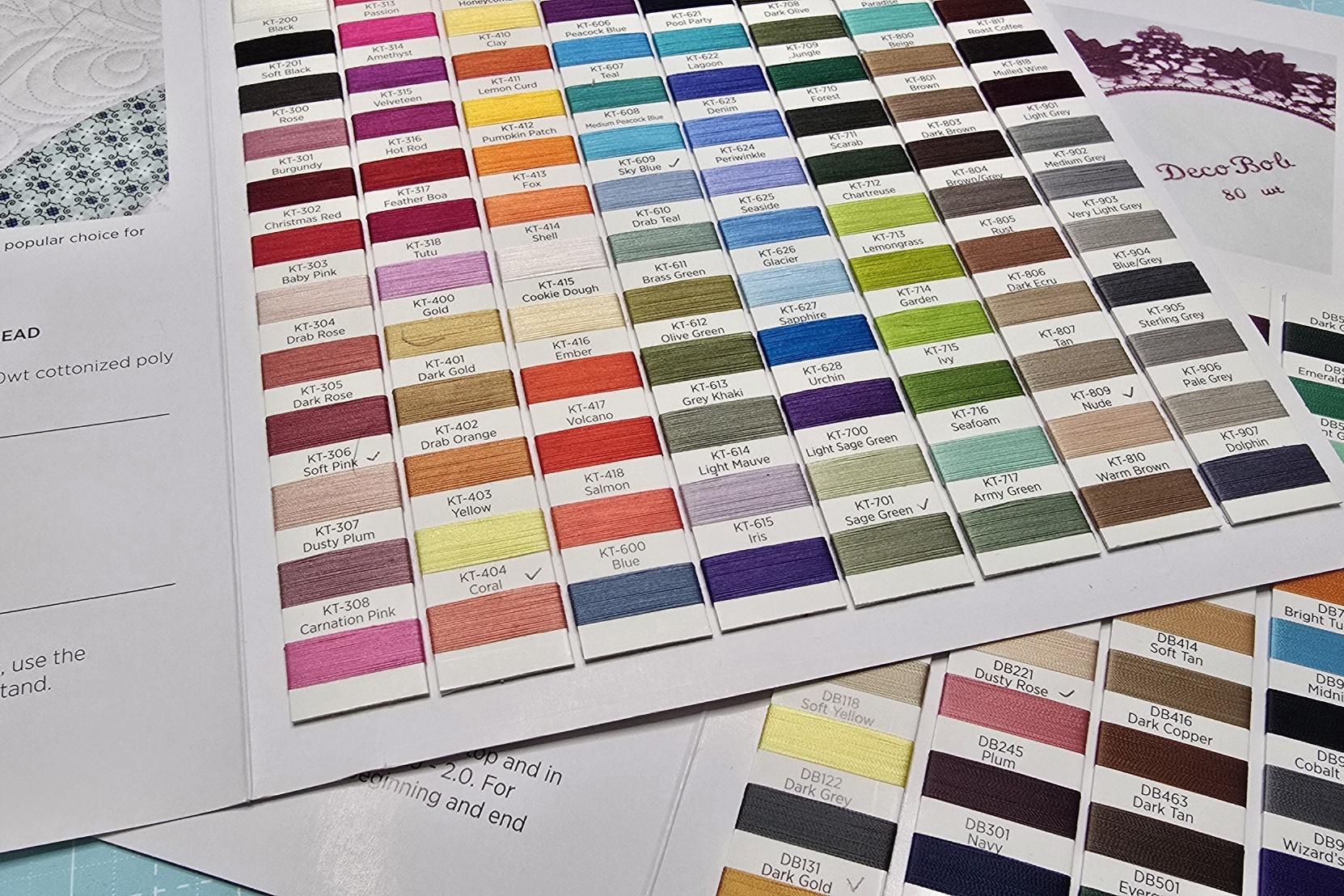
Cotton vs polyester thread: pros, cons, and when to use each
Choosing the right sewing thread matters more than many beginners realise. Learn the differences between cotton and polyester thread, their pros and cons, and when each works best.
Thread is often one of the most overlooked supplies in sewing. It’s easy to focus on fabric and patterns, while thread becomes an afterthought.
However, the type of thread you choose affects stitch quality, durability, and how your finished project behaves over time.
Two of the most common sewing threads are cotton and polyester. Both have advantages, and understanding their differences helps you make better choices for your projects.
Why thread choice matters
Thread holds your project together. It needs to work in harmony with your fabric, needle, and sewing technique.
Affects seam strength and durability
Influences stitch appearance
Impacts how seams behave after washing
Can reduce or increase thread breakage and tension issues
Choosing the right thread helps prevent problems that are difficult to fix later.
Cotton thread
Cotton thread is made from natural fibres and has been used in sewing for generations. It has a soft feel and blends well with natural fabrics.
Pros of cotton thread
Works well with natural fabrics like cotton and linen
Produces a matte, traditional finish
Often preferred for quilting and patchwork
Presses cleanly with fabric
Cons of cotton thread
Less stretchy than polyester
Can break more easily under tension
May weaken over time with frequent washing
Cotton thread is best suited for projects where stability and a natural finish are priorities.
Polyester thread
Polyester thread is a synthetic thread designed for strength and versatility. It’s widely used in both garment and general sewing.
Pros of polyester thread
Strong and durable
Slight stretch helps prevent thread breakage
Handles frequent washing well
Suitable for a wide range of fabrics
Cons of polyester thread
Shinier finish may stand out on some fabrics
Less traditional look for quilting
Does not break as easily if fabric tears
Polyester thread is a reliable choice for everyday sewing and garments that need flexibility and strength.
Cotton vs polyester: which should you use?
Rather than choosing one thread for everything, it’s helpful to match thread to the project.
Quilting and patchwork: cotton thread is often preferred
Garments and everyday sewing: polyester thread works well
Mixed or unknown fabrics: polyester offers flexibility
Decorative topstitching: choose based on the desired finish
The key is consistency—using quality thread that suits both the fabric and the project’s purpose.
Quality matters more than fibre
Regardless of whether you choose cotton or polyester, thread quality is crucial. Poor-quality thread can cause lint buildup, skipped stitches, and tension problems.
Using a good-quality thread helps your machine run smoothly and produces stronger, more reliable seams.
Choose thread with confidence
Cotton and polyester threads both have a place in sewing. Understanding their strengths and limitations allows you to choose confidently rather than guessing.
As with many sewing decisions, experience will guide your preferences over time.
Next steps
Thread choice works best when paired with suitable fabric, accurate cutting, consistent seam allowances, and careful pressing—small decisions that together make a big difference.
A little yarn, a lot of creativity
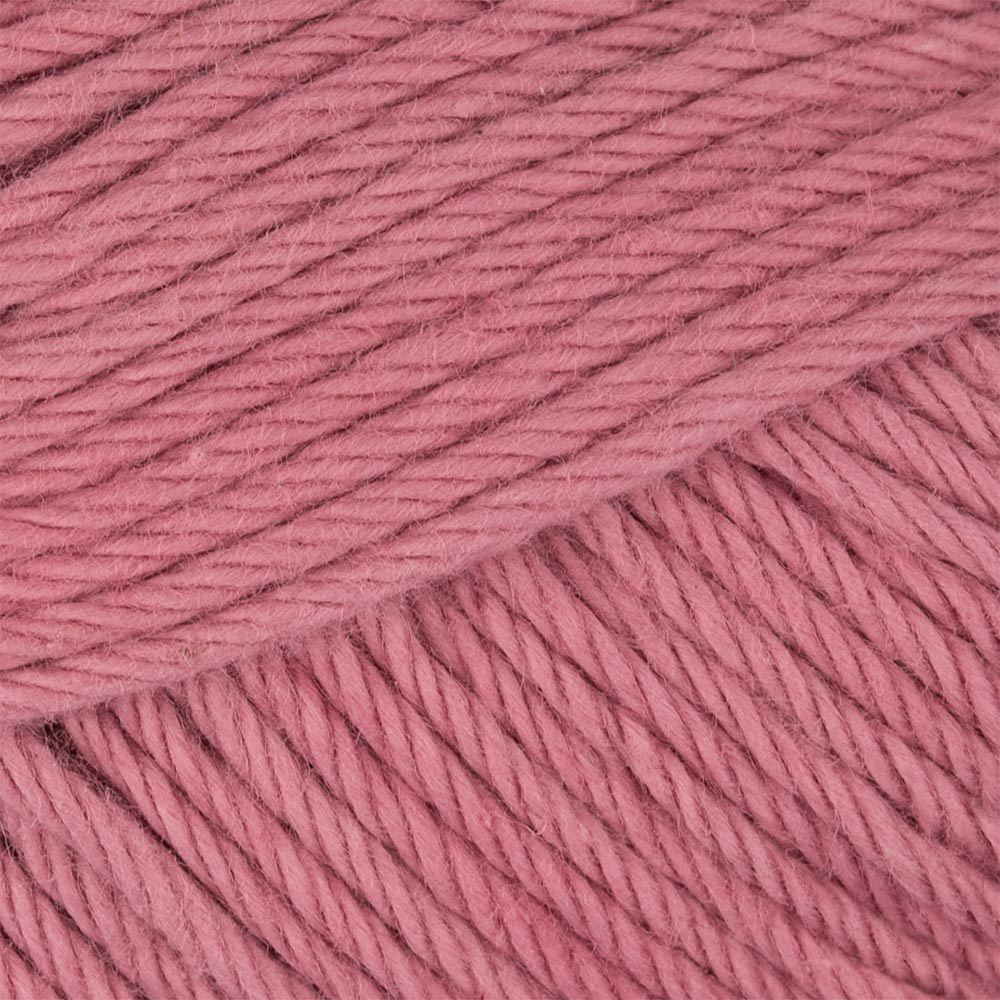
Rico Creative Ricorumi DK
100% Cotton, 57m (62yds)/25g (0.88oz), DK
Beautiful cotton yarn for colourful little creations
Bring your crochet ideas to life with Rico Creative Ricorumi DK, a lovely 100% cotton yarn that's perfect for amigurumi, crochet toys, and smaller creative projects. Available in a beautiful selection of colours, each 25g ball offers 57 metres of smooth DK yarn with excellent stitch definition. Whether you're making adorable little characters or experimenting with colourful designs, Ricorumi makes every stitch a pleasure.