How to read crochet patterns: a beginner’s guide
Crochet patterns can look confusing at first. Learn how to read crochet patterns step by step, understand common terms and abbreviations, and follow instructions with confidence.
Looking at a crochet pattern for the first time can feel intimidating. Rows of abbreviations, brackets, and numbers may look more like a code than instructions.
The good news is that crochet patterns follow a clear structure. Once you understand how they’re written, patterns become much easier to read—and far less overwhelming.
This guide walks you through how to read crochet patterns step by step, so you can approach your next project with confidence.
What is a crochet pattern?
A crochet pattern is a set of written instructions that tells you how to create a project. It explains what materials to use, how to start, and how each stitch and row is worked.
Patterns are written to be efficient rather than descriptive, which is why they rely on abbreviations and symbols.
Understanding the basic layout of a crochet pattern
Most crochet patterns follow a similar structure. Knowing what each section means helps you know where to focus.
Materials – yarn type, hook size, and tools
Gauge – how many stitches and rows per measurement
Abbreviations – shorthand for stitches and actions
Notes – helpful tips or special instructions
Pattern instructions – the step-by-step directions
You don’t need to memorise everything at once—many crocheters refer back to the abbreviations list as they work.
Common crochet abbreviations
Crochet patterns use abbreviations to keep instructions short and clear. Always check whether the pattern uses US or UK terms.
ch – chain
sl st – slip stitch
sc – single crochet (US)
dc – double crochet (US)
rep – repeat
Patterns usually include an abbreviations key, so you don’t need to guess.
How to read brackets, repeats, and numbers
Once you understand repeats, patterns become much easier to follow.
Brackets [ ] or parentheses ( ) show stitches that should be repeated
“Rep 6 times” means repeat the section six times
Numbers at the end of a row show how many stitches you should have
Stitch counts are especially helpful for checking that you’re on track.
Written patterns vs charted patterns
Some crochet patterns are written out in words, while others use charts or symbols.
Written patterns explain each step in text
Charted patterns use symbols to represent stitches visually
Beginners often find written patterns easier at first, while charts become useful for visual learners and more complex designs.
Tips for following a crochet pattern successfully
Read the entire pattern before starting
Use stitch markers to track repeats or rows
Count stitches at the end of each row
Take notes if something needs adjusting
Going slowly at first helps build confidence and prevents mistakes later.
Crochet patterns get easier with practice
Reading crochet patterns is a skill that improves with time. At first, you may need to pause and check instructions often—but that’s completely normal.
As you become familiar with common terms and structure, patterns will start to feel logical and even enjoyable to follow.
Next steps
With a basic understanding of crochet patterns, you’ll be ready to explore new stitches, projects, and designs with confidence—one row at a time.
A little yarn, a lot of creativity
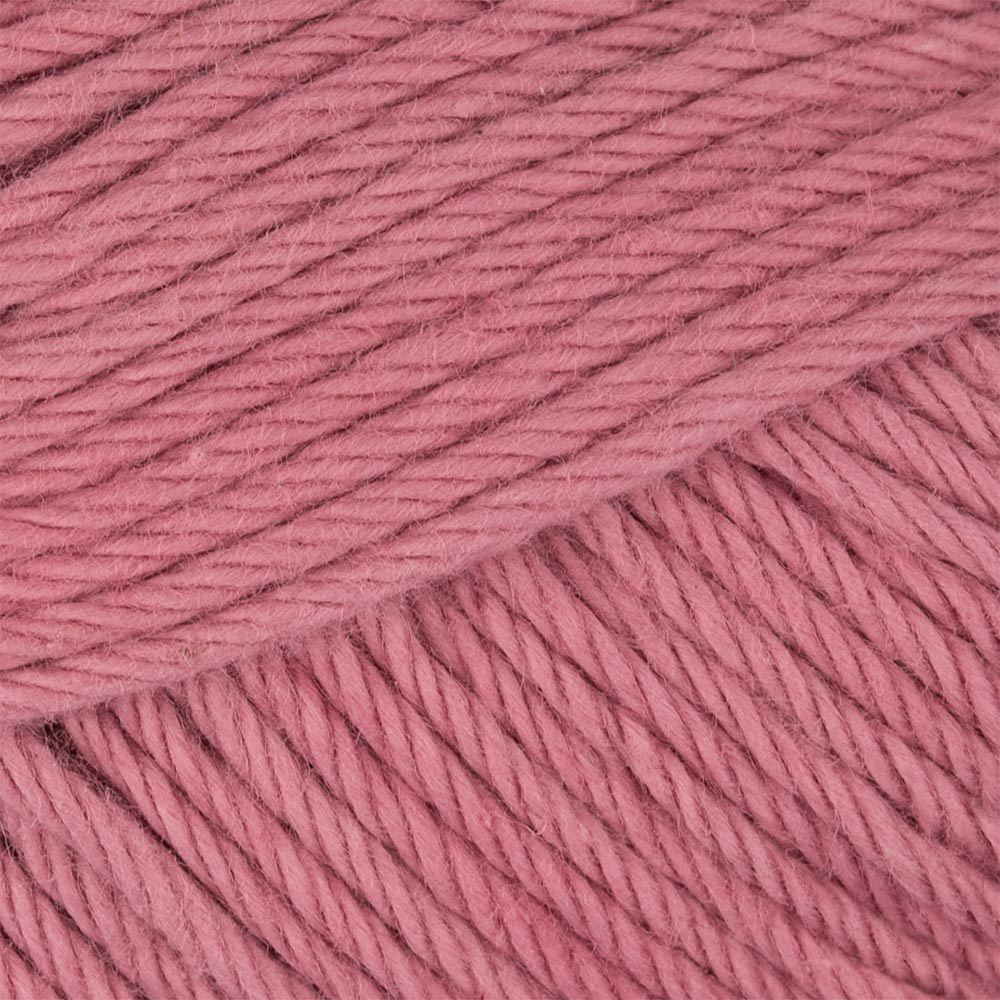
Rico Creative Ricorumi DK
100% Cotton, 57m (62yds)/25g (0.88oz), DK
Beautiful cotton yarn for colourful little creations
Bring your crochet ideas to life with Rico Creative Ricorumi DK, a lovely 100% cotton yarn that's perfect for amigurumi, crochet toys, and smaller creative projects. Available in a beautiful selection of colours, each 25g ball offers 57 metres of smooth DK yarn with excellent stitch definition. Whether you're making adorable little characters or experimenting with colourful designs, Ricorumi makes every stitch a pleasure.