
Inline vs tapered crochet hooks: what’s the difference and which should you use?
Inline and tapered crochet hooks feel very different in the hand. Learn how they compare, what each type is best used for, and how to choose the right hook for
This post may contain ads and affiliate links, which help support Crafting with Beth at no extra cost to you. I only recommend tools and materials I genuinely use or believe will be helpful for your crafting. For more information, please see our Privacy Policy, Cookie Policy, and Affiliate Disclosure. Thank you.
If you’ve ever picked up a crochet hook and thought, “This one just feels different,” you’re not imagining it. Crochet hooks come in different shapes, and one of the biggest differences you’ll notice is whether a hook is inline or tapered.
Both types are widely used, and neither is better or worse. The right choice depends on how you crochet, the yarn you’re using, and the type of project you’re making.
In this post, we’ll focus only on these two hook styles—what makes them different and when each one works best.
What is an inline crochet hook?
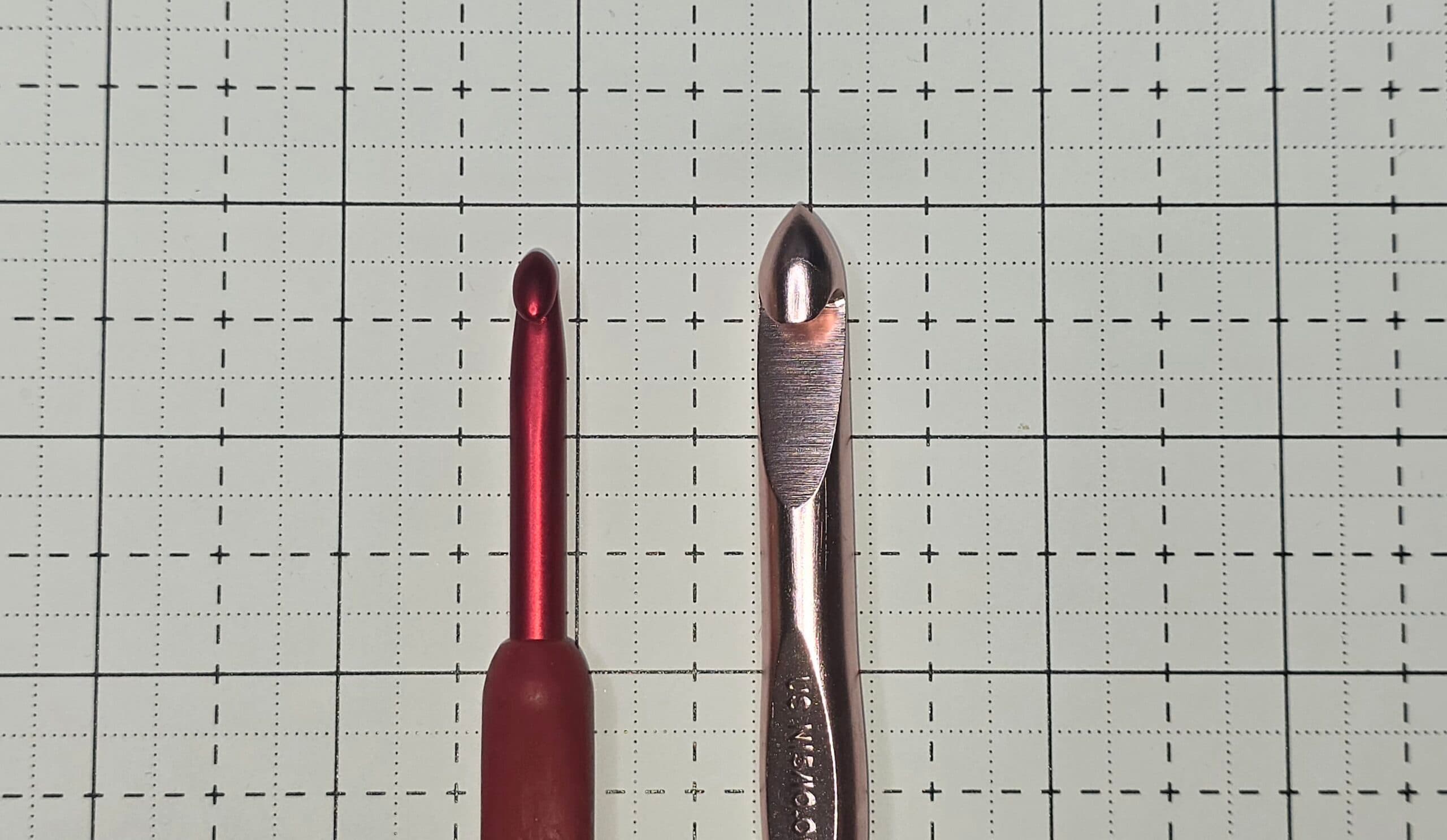
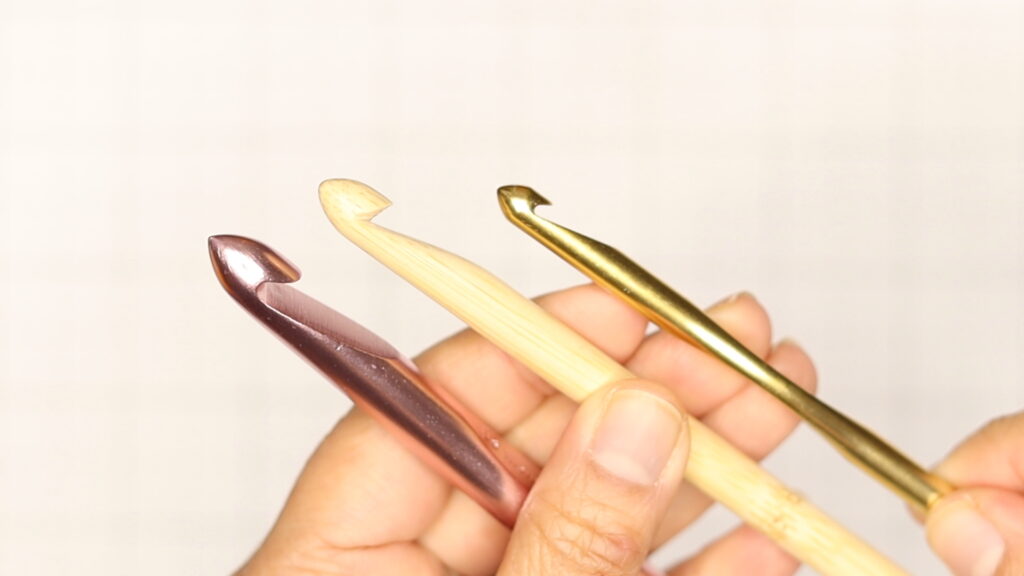
An inline crochet hook has a shaft that stays the same width all the way down to the throat, with a head that looks more angular or squared off.
The hook opening is usually deeper and more defined, which helps keep loops stable as you work.
Why some crocheters prefer inline hooks
- Creates very even, consistent stitches
- Loops are less likely to slip off the hook
- Helpful for beginners learning stitch control
Because the shaft is uniform, stitch height stays consistent, which many crocheters find reassuring—especially when following patterns that require accuracy.
Best uses for inline hooks
- Beginner crochet practice
- Projects where stitch definition matters
- Structured stitches and textured patterns
What is a tapered crochet hook?
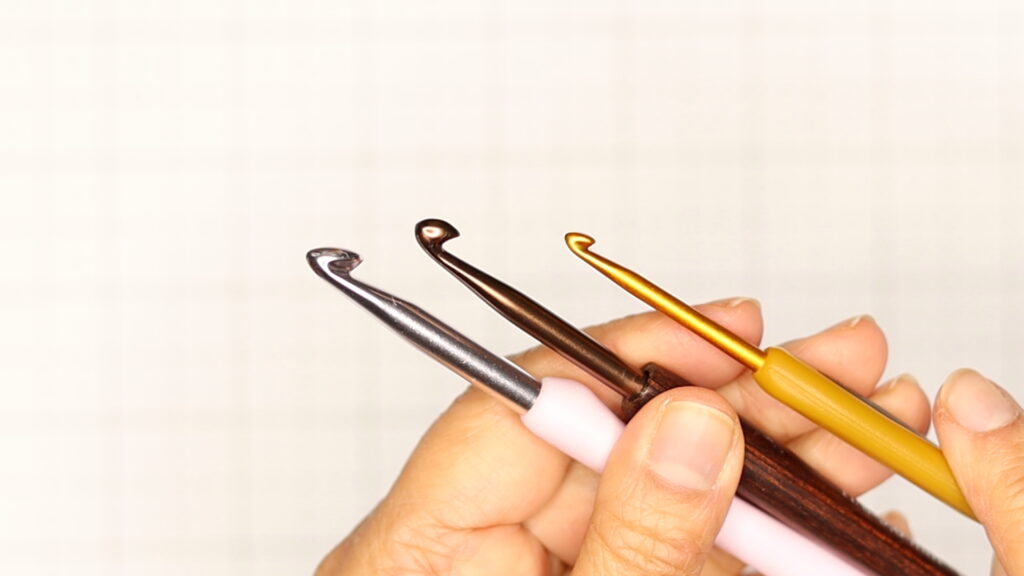
A tapered crochet hook narrows slightly toward the head. The hook itself is usually more rounded, with a shallower throat.
This shape allows the hook to slide more easily through stitches, creating a smoother, faster motion.
Why some crocheters prefer tapered hooks
- Feels faster and more fluid to use
- Easier to insert into tight stitches
- Comfortable for long crochet sessions
The tapered shape encourages a natural rhythm, which many experienced crocheters enjoy once they’ve developed consistent tension.
Best uses for tapered hooks
- Speed crochet and repetitive stitches
- Lightweight yarns
- Relaxed, flowing crochet projects
Inline vs tapered: which should you choose?
There’s no universal answer. The best crochet hook is the one that feels most comfortable in your hand and gives you the results you like.
If you’re just starting out, an inline hook can help you understand stitch structure and tension. If you’re more experienced or enjoy a faster, smoother flow, a tapered hook may feel more natural.
Many crocheters keep both types in their toolkit and switch depending on the project.
Let your hands decide
Crochet is a very personal craft. Two people can follow the same pattern using different hooks and achieve equally beautiful results.
Trying both inline and tapered crochet hooks is the best way to discover what suits your style. Over time, your preferences may even change—and that’s perfectly normal.
Next steps
In a follow-up post, we’ll look more closely at how hook material and handle shape affect comfort and tension, helping you refine your crochet setup even further.
