
Is it worth practising a scant quarter inch seam allowance?
A scant quarter inch seam allowance can make a big difference in quilting accuracy. Learn what it is, why it matters, and whether it’s worth practising—especial
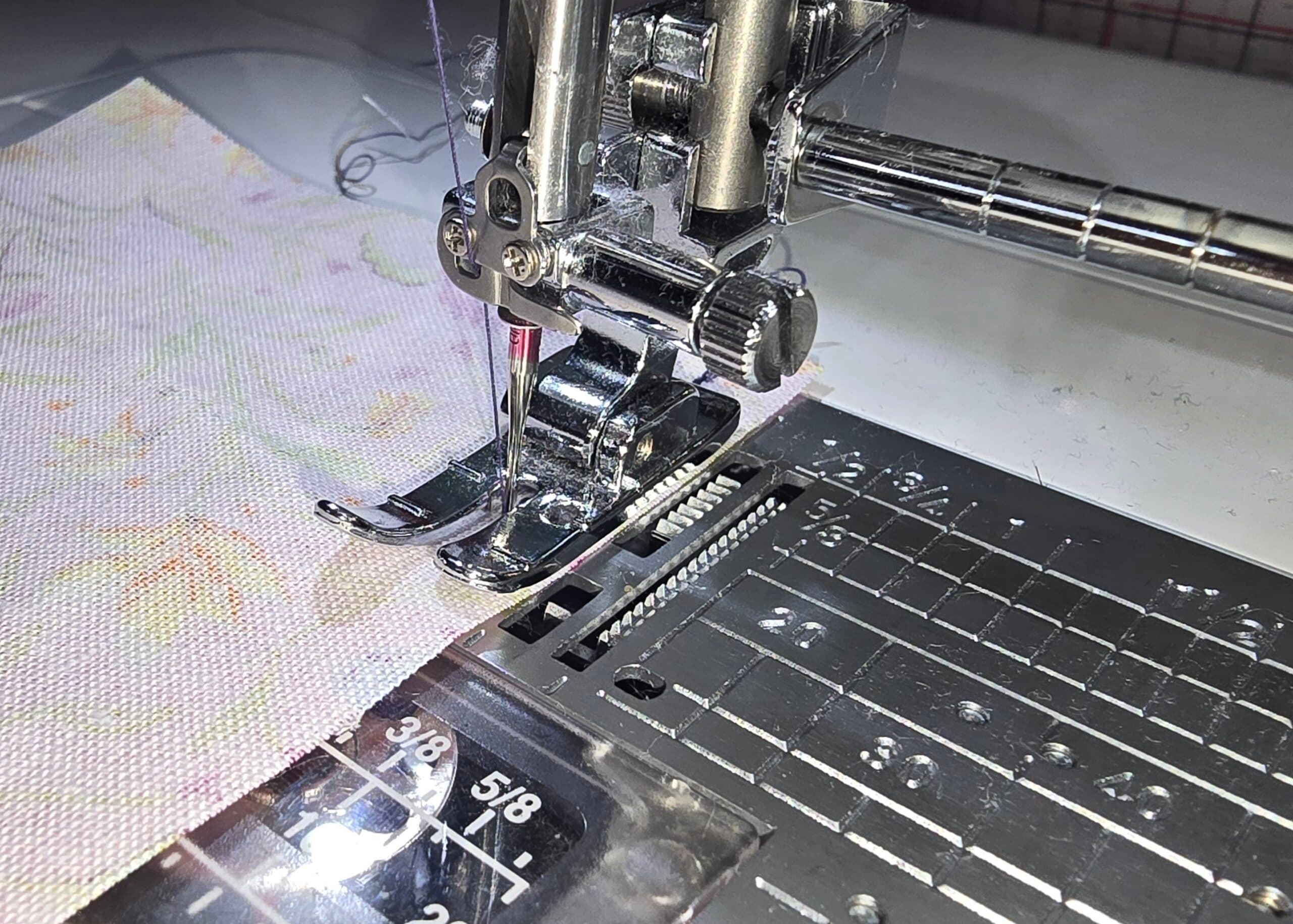
This post may contain ads and affiliate links, which help support Crafting with Beth at no extra cost to you. I only recommend tools and materials I genuinely use or believe will be helpful for your crafting. For more information, please see our Privacy Policy, Cookie Policy, and Affiliate Disclosure. Thank you.
If you’ve ever sewn quilt blocks that don’t quite line up, finish slightly smaller than expected, or slowly lose accuracy as you go, the issue may not be your cutting or piecing.
Very often, it comes down to one small but powerful detail: the scant quarter inch seam allowance.
So the question many sewists ask is—is it really worth practising? The short answer is yes, especially if you want consistent, accurate results.
What is a scant quarter inch seam allowance?
A scant quarter inch seam allowance is slightly less than a full ¼ inch. It allows space for the fabric to fold around the thread when pressed, helping your finished pieces measure accurately.
In quilting, patterns assume that your seam includes:
- The thickness of the fabric
- The fold created when seams are pressed
- The thread itself
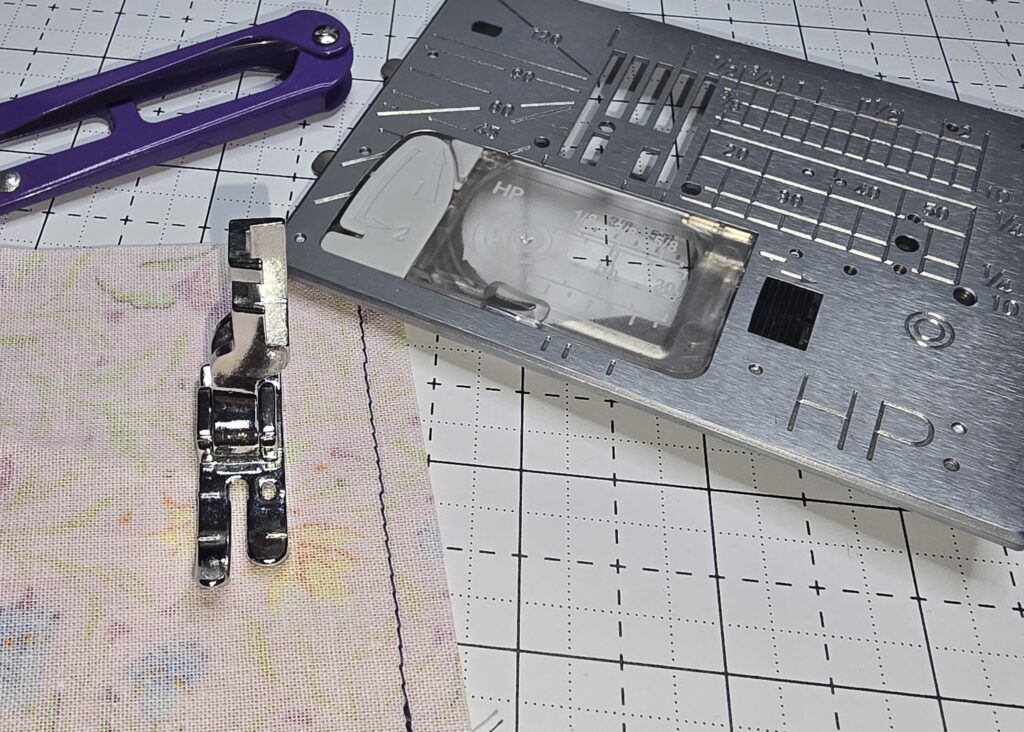
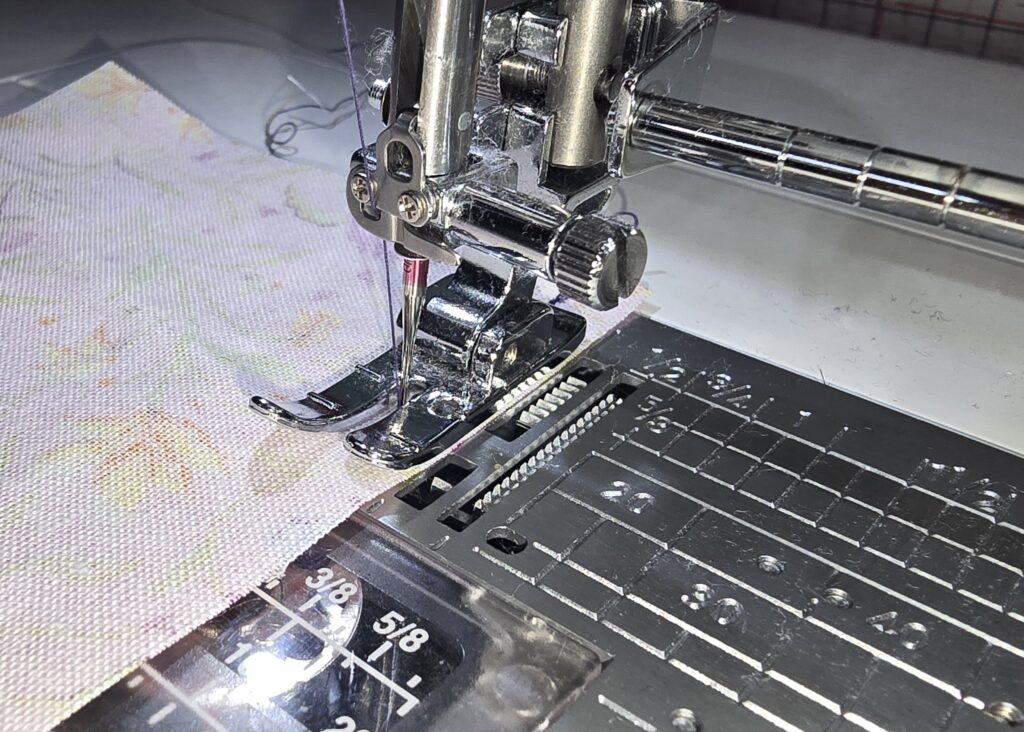
A true ¼ inch seam often ends up being slightly too wide once pressed, which is why many quilters aim for a scant ¼ inch instead.
Why does a scant quarter inch matter?
The difference between a perfect block and a frustrating one is often just a thread or two. When seams are even slightly too wide, those small errors add up across multiple pieces.
- Blocks finishing smaller than the pattern states
- Points not meeting cleanly
- Sashing and borders not fitting properly
- Distorted or stretched blocks
Using a consistent scant quarter inch seam allowance helps ensure that all your pieces work together as intended.
Is it worth practising as a beginner?
Absolutely—but with the right mindset.
Practising a scant quarter inch isn’t about perfection. It’s about consistency. Even if your seam isn’t technically perfect, using the same seam allowance every time will give you better results than changing it from block to block.
For beginners, learning this early can:
- Reduce frustration when blocks don’t fit
- Build confidence in piecing
- Make patterns easier to follow
It’s far easier to practise on small test pieces than to unpick seams later.
How to practise a scant quarter inch seam
Here are a few simple ways to practise and improve accuracy:
1) Sew test strips
Sew two fabric strips together, press the seam, and measure the finished width. Adjust your seam allowance until it matches the expected measurement.
2) Use guides, not just the presser foot
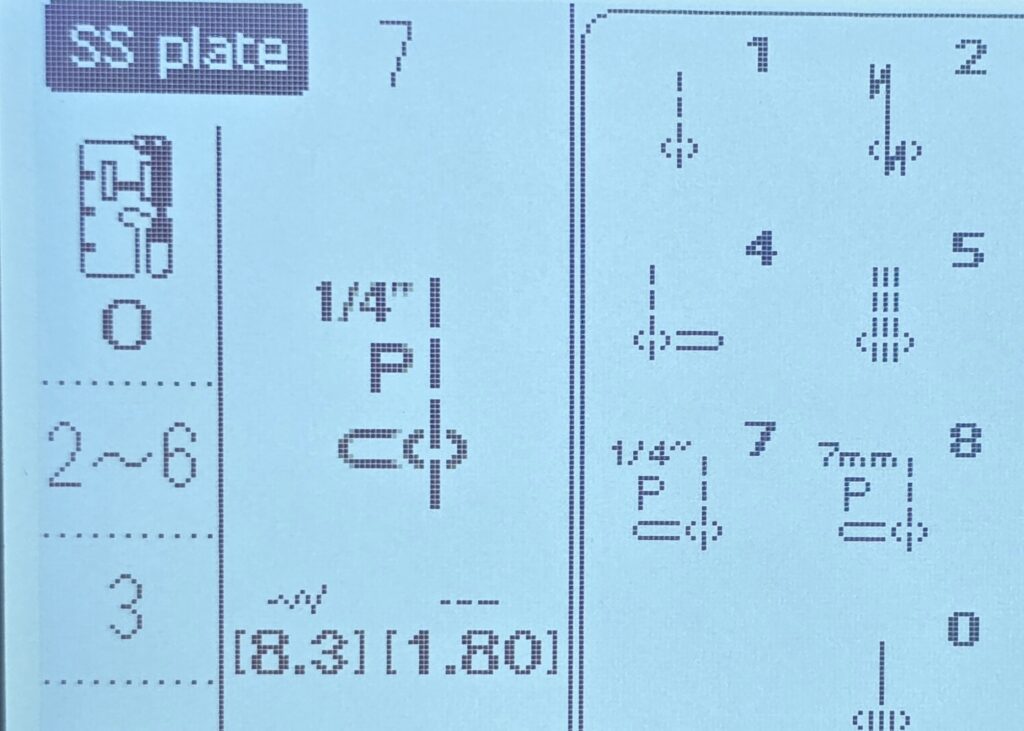
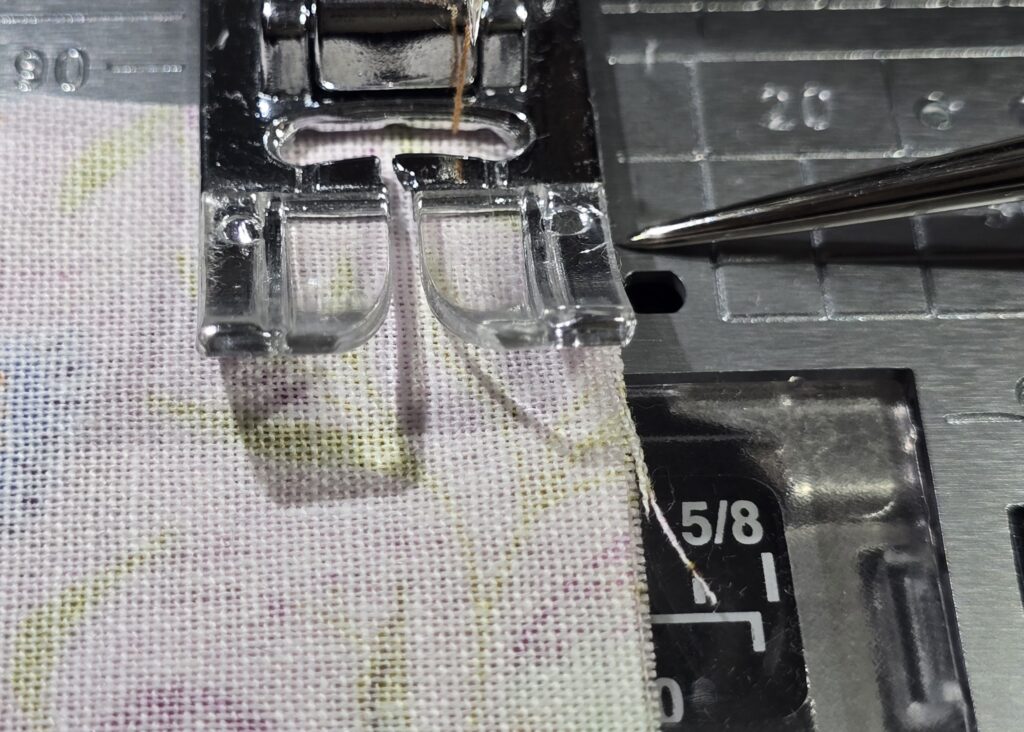
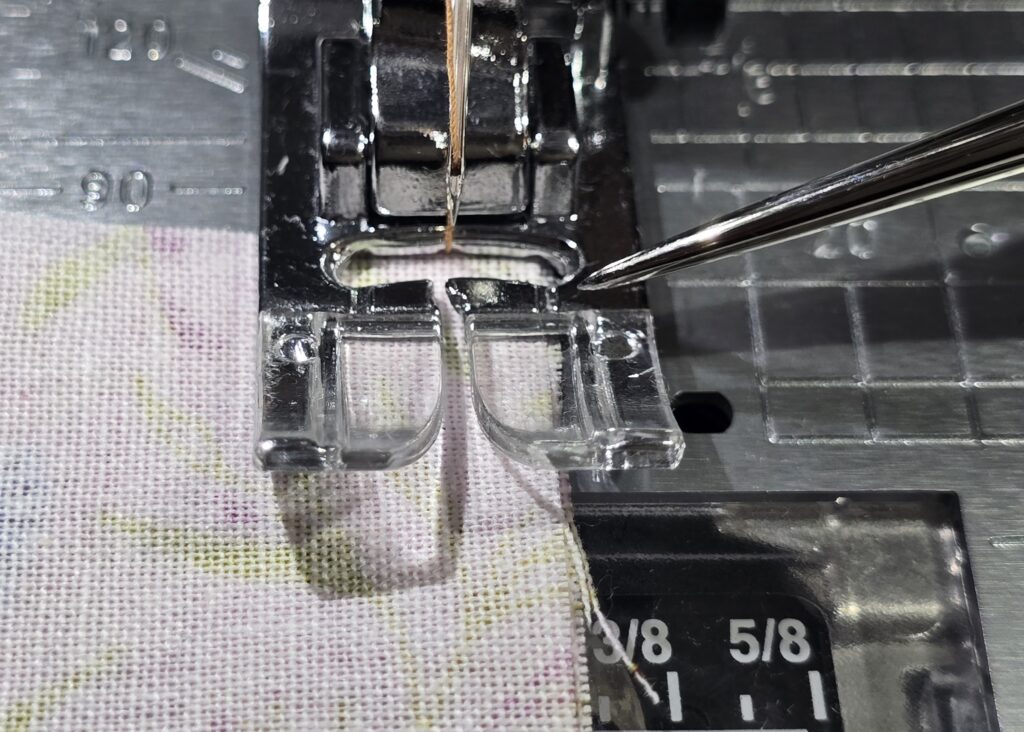
Not all quarter inch feet are identical. Use your needle position, throat plate markings, or seam guides to fine-tune accuracy.
3) Press carefully
Press seams rather than ironing back and forth. Gentle pressing keeps seams accurate and prevents distortion.
When does it matter most?
A scant quarter inch seam allowance is especially important for:
- Quilting blocks with multiple pieces
- Patchwork patterns with points and intersections
- Projects where blocks must finish to an exact size
For garments and looser projects, precision may matter less—but consistency is still key.
So, is it worth it?
Yes. Practising a scant quarter inch seam allowance is one of the best investments you can make in your sewing and quilting skills.
It doesn’t require special tools or advanced techniques—just a little patience and awareness. Once it becomes second nature, your projects will come together more smoothly, accurately, and enjoyably.
Like many sewing fundamentals, it’s a small habit that quietly improves everything you make.
Next steps
If you’re building strong foundations in sewing or quilting, this is a skill worth revisiting often. In future tutorials, I’ll show how seam allowance accuracy affects real blocks and patterns step by step.
If you’re still building strong sewing foundations, you may also find it helpful to read why cutting fabric along the grain matters before starting your next project.
