Knife grip vs pen grip in crochet: which way should you hold your hook?
Crocheters often use either the knife grip or pen grip. Learn how each method works, the benefits of both, and how to crochet comfortably while caring for your hands and wrists.
One of the first questions many crocheters ask is whether there is a “correct” way to hold a crochet hook. You may hear terms like knife grip and pen grip, and wonder which one you should be using.
The reassuring answer is that there is no single right way. Crochet is a personal craft, and different hand positions suit different people, projects, and comfort levels.
In this post, we’ll look at the knife grip and pen grip, how each one works, their benefits, and how to care for your hands while crocheting.
What is the knife grip?
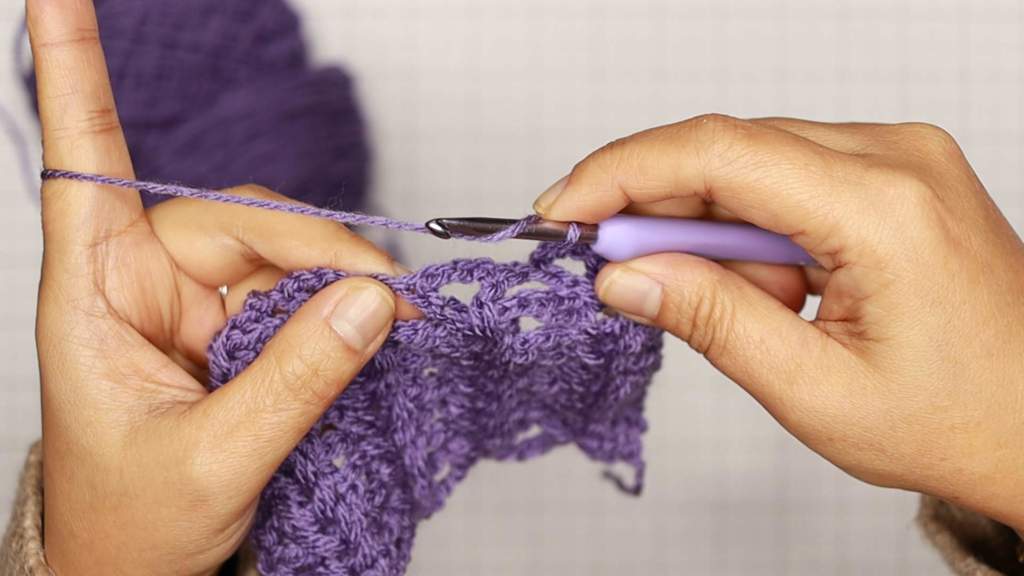
The knife grip holds the crochet hook in a way similar to holding a dinner knife. The hook rests in the palm of the hand, with the thumb and fingers guiding the movement.
The motion often comes from the whole hand and wrist rather than just the fingers.
Benefits of the knife grip
Provides strong control over the hook
Can feel more stable for beginners
Works well for thicker yarns and larger hooks
Many crocheters find the knife grip helpful for maintaining consistent tension, especially when working on larger or more structured projects.
What is the pen grip?
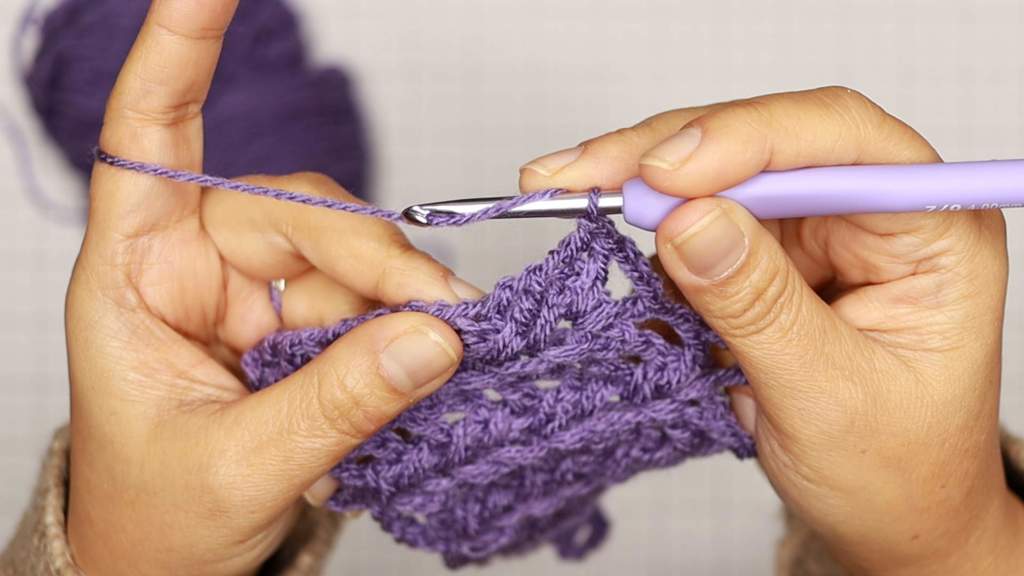
The pen grip holds the crochet hook much like a pen or pencil. The hook is controlled mainly by the fingers, with smaller, more precise movements.
This grip often relies more on finger motion than wrist movement.
Benefits of the pen grip
Allows fine control and detailed stitch work
Can feel lighter and more precise
Popular for lace and lightweight projects
Crocheters who enjoy delicate stitches or thread crochet often prefer the pen grip.
Knife grip vs pen grip: which is better?
Neither grip is better than the other. The best grip is the one that feels comfortable, causes the least strain, and allows you to crochet smoothly.
Some crocheters naturally prefer one grip, while others switch between the two depending on the project or hook size.
It’s also normal for your grip preference to change over time as your skills develop.
Comfort, safety, and hand care in crochet
Regardless of how you hold your hook, comfort and hand care are important—especially during longer crochet sessions.
Keep your grip relaxed rather than tight
Take regular breaks to stretch your hands and wrists
Use ergonomic hooks if you experience discomfort
Pay attention to posture and shoulder tension
If you feel pain or persistent discomfort, it’s a sign to pause, adjust your grip, or shorten your crochet sessions.
Developing a grip that works for you
When learning crochet, it’s helpful to try both knife and pen grips without forcing yourself to stick to one.
Allow your hands to guide you. Comfort, control, and enjoyment matter more than copying a specific technique.
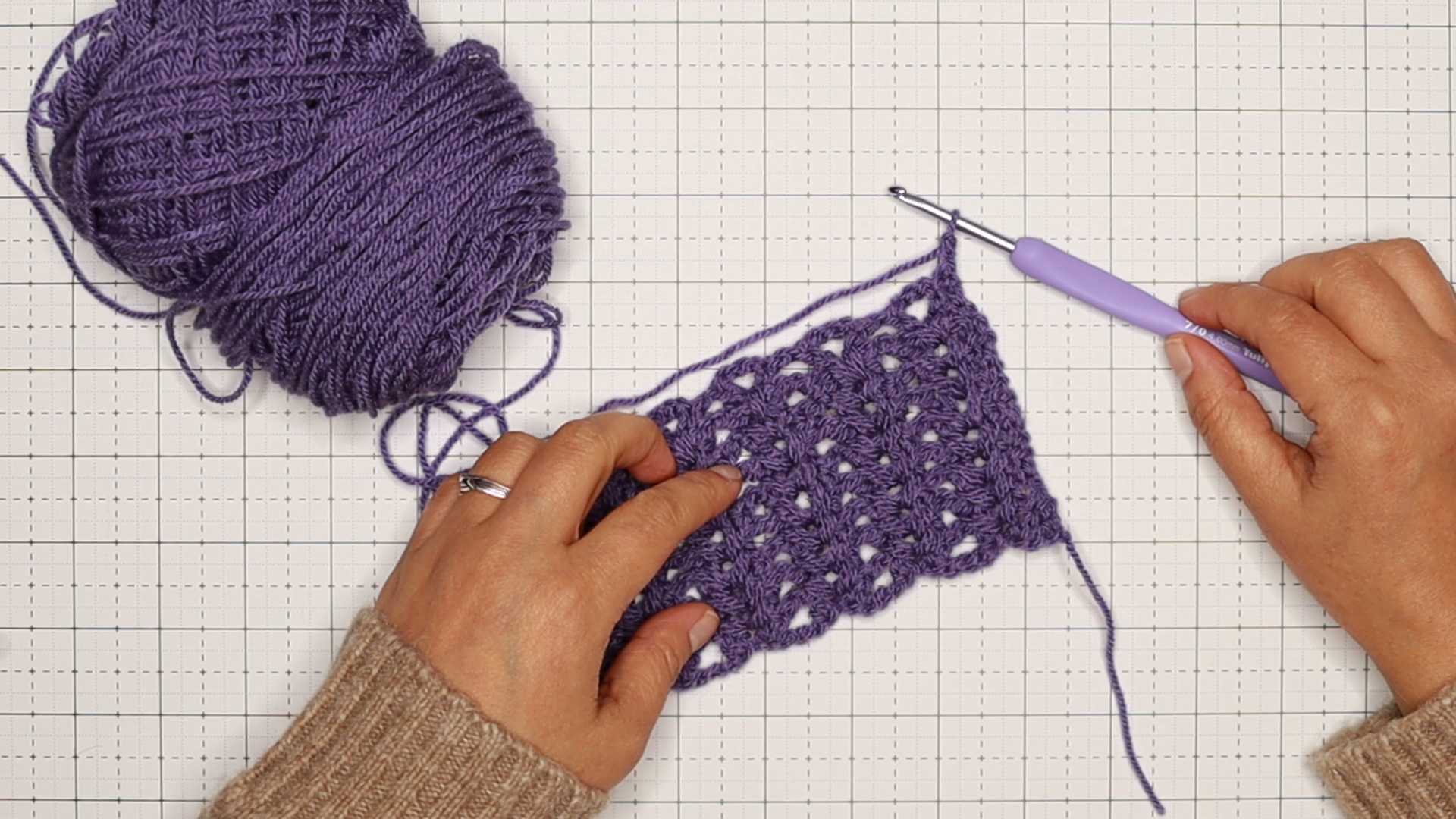
If you would like to know the crochet hook I am using, it is from Tulip Japan I recently acquired, this one is called Tulip Etimo Murasaki (Purple) crochet hooks. I am also using a purple yarn from Stylecraft which is available online at LoveCrafts here in the UK.

Affilates
LoveCrafts affiliates
Discover everything you need for your next creative project at LoveCrafts. From beautiful yarns and fabrics to knitting, crochet, and sewing patterns, explore a wide selection of craft supplies to inspire your creativity.Affiliate disclosure: This post contains affiliate links. I may earn a small commission from qualifying purchases at no extra cost to you.